

Dear Holy brethren Hierarchs,
Archons of the Mother Church,
Your Excellency,
Beloved children in the Lord,
With great attention and true interest we have listened to the nice speech of our compatriot Protopresbyter Seraphim Farasoglou through the mouth of the Secondary of our Patriarchal Deacons regarding the blessed and distinguished among Archcantors, Basil Nikolaides. The speaker achieved to portray brilliantly a beautiful soul, a bright musician, a splendid teacher, a devout and virtuous Christian, a great Archon Archcantor of our Mother Holy Great Church of Christ. Most of us present have been blissful that we have personally met this ever-blessed man, or that we have become his students in the Theological School of Chalki, or in the Patriarchal Great School of the Nation, or in the Zographeion Lyceum, and of course, that we have enjoyed listening him from the sacred analogion of the various Holy Churches of our City or of that Revered Patriarchal Temple, in which the ever-memorable honoured man chanted from many years, having succeeded people of the height of one Nafliotes, one Priggos, his teachers, and one Stanitsas, falling short of none, but being shown to be of the same calibre, and continuing their path with great reverence.
Our Ecclesiastical Music, known as Byzantine, is not one of the many kinds of music art, but a holy and sacred ecclesiastical art, which clothes the magnificent poems of sacred hymnography with the fitting garment of modesty and compunction. The Theologian Poets expressed through Hymnography the god-wise and saving creed of the Faith; they theologised with poetry, and praised God through metric verse; they preached repentance; they begged for the salvation-related supplications of the people with magnificent poetic compositions, for many of which Homers and Pindari would feel rivalled. Thereafter came the sacred Melodists, the musical instruments of the Holy Spirit, who took the compositions of Hymnography and dressed them with the modest garment of the ecclesiastical chant, which «sweetens the senses of the pious» and provokes sentiments of deep compunction and strong tremblings of joyful sorrow. The melody of our Music does not attempt to please the ears and to create a temporary and evaporating excitement, but to lift the faithful up from the mundane and everyday things to the higher and everlasting, from the passing and escaping ones to the steady, from the shadowy to the true, from the human things to the divine things. Its aim is to make, not the passive attendant, but the praying faithful, a mystic of the saving truths of the Faith, to bring him close to Christ, to reveal to him the ugliness of sin and the vomit of filthy passions, but also the beauty of the life in Christ, the radiance of Grace and the richness of the gift of the Holy Spirit. To bring him to conscience of his sinfulness, but also to lead him to the devout worshipping of the great Mystery of Piety, with joy and fear together: Fear for his unworthiness due to sin, and joy for the God-granted salvation and the eternal life. It aims to give to the faithful, who is overwhelmed by the everyday labour and the endless war against the devil and his evil trickeries, internal peace and repose and joy, according to the word of the Lord: «Come to me all the tired and exhausted and I will give rest to you», but also hope for the saving love of the Lord, and spiritual strength through the lifting of his personal cross.
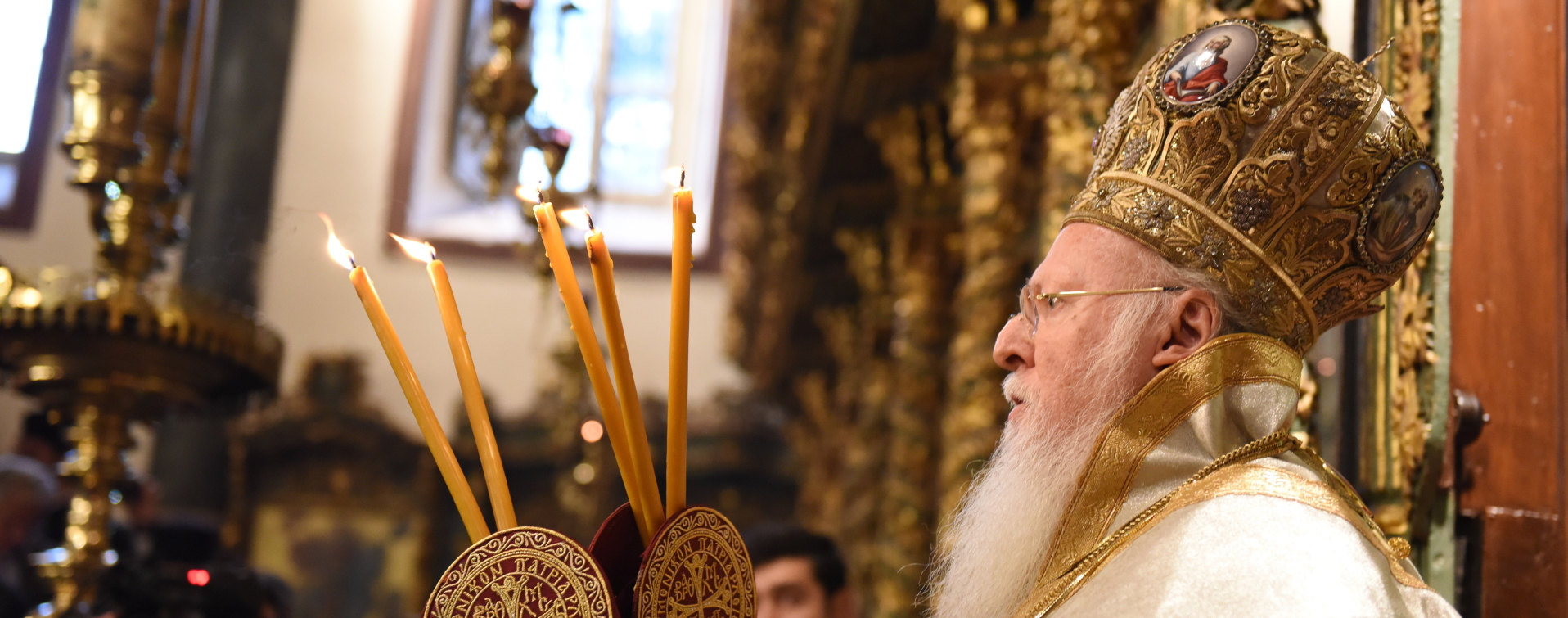
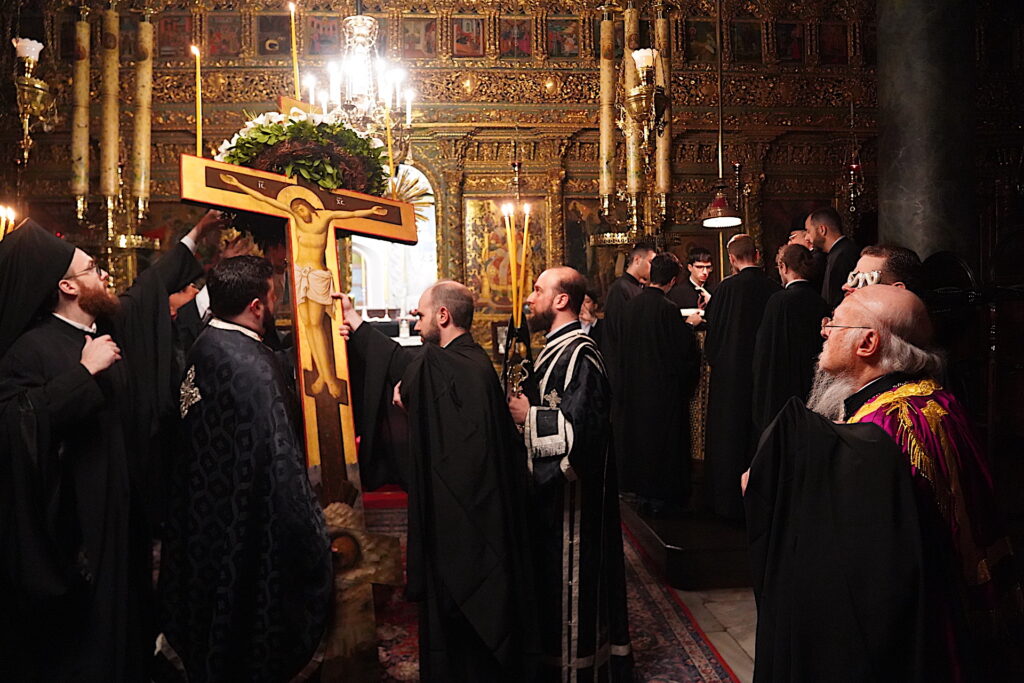
Ecclesiastical Byzantine Music does not cultivate proud thoughts, but humble thinking, as witnessed by the person, the personal life, and the chanting of the honoured ever-memorable Archcantor. It does not breed, but does humiliate the passions and paves the road of repentance in Christ and renewal, acting as a vehicle to the task of divine preaching and spiritual guidance. That is why the Cantors are not singers, but clerics, concelebrating the Gospel with the higher Clergy, and completing the work of the Preacher and Spiritual Father. These are not «vendettas» -forgive my term-, but divine revealers of the mysteries of God, performing a divine task, which is more familiar and suitable to the Angels. That is why they wear the simple black dress, the humble cassock of the Orthodox clergy; and the Archon Protopsaltes also wears a monastic cover on his head, signifying his wisdom and virtue and divine Grace. Unfortunately, we see with justifiable concern and bitterness, some chanters wearing inappropriate garments with red or purple collars, or sleeves, and occasionally also have golden designs, which confess the worldly sickness and the soul’s vanity and transform the Cantor of God into a lamentable visible object. Others again are deflected with unorderly voices and pathological musical bendings, foreign to the Tradition of the Orthodox Church, femalizing the hearings, but also the souls of the congregation.
The analogia of our Revered Patriarchal Temple and those served and serving on them mystics of the Ecclesiastical Byzantine Music were and are always an example, and this because they always have the mind of Christ and the thinking of the Church.
The beloved ever-memorable Teacher and Archcantor Basil Nikolaides was a model of a Cantor, a Christian, and a human. He endured with no complaints the harsh for him decision of the Church, according to which he was moved away from the analogion of the Patriarchal Temple. He did not reacted arrogantly; neither did he criticise, nor did he put bad thoughts about anybody. He continued chanting to the Lord as long as he was on earth with fear of God, piety, humility, endurance, hope, faith, and love, from various analogia of our great-named City, always being dedicated to the crucified Mother Holy Great Church of Christ until his old age and death. A real Archon (Master) in all and ever, a true Christian, fitting and good towards God. For all these, twenty whole years after his blessed sleep, we can simply say that we miss him. We are consoled, however, knowing that being added to the choir of his predecessors, he continues his sacred task in the Upper City, whose foundations are on the Heavenly Altar, where Christ is celebrating Liturgy, and the holy Angels and Archangels are chanting together and praising the greatness of God.
May his memory be eternal!